The Steppe Saga
Brothers shall fight | and fell each other,
And sisters' sons | shall kinship stain;
Hard is it on earth, | with mighty whoredom;
Axe-time, sword-time, | shields are sundered,
Wind-time, wolf-time, | ere the world falls;
Nor ever shall men | each other spare.
—The Poetic Edda, “Völuspá” (Prophecy of the Seeress)
Determined to choose her own fate, an ambivalent young warrior confronts the dark consequences of war and the true meaning of sacrifice.
For centuries, the Skythian peoples have inhabited the vast steppes north of the Black Sea, their horsemen feared across the ancient world. Now, as Greek colonial influence expands in the south and rival powers press from the east, the Skythian world faces profound change. Their aging king has three ambitious sons, each born to a different mother: one Greek, one Thrakian, and one Skythian. Their struggle for succession will ignite a conflict not only over power, but over the future of a people.
Into this turmoil comes Anaiti, a young warrior whose choices will become entangled with the fate of the kingdom. The Steppe Saga follows her journey through a world divided by competing loyalties, ancient obligations, and uncertain futures.
Set during the reign of Skythian King Ariapeithes in the fifth century BCE, and the struggle for succession among his three sons, the trilogy explores an ancient culture too often seen through the eyes of its Greek contemporaries. Its female warriors, whose existence helped give rise to the Greek legends—and fears—of Amazons, stand at the heart of a world far more complex than those legends suggest.

Of Wind and Wolves
The Steppe Saga I
“You don’t yet know what you are. What you truly love or hate. What you’ll kill or die for. Not until you’ve been out there. . . .”
Anaiti is a hamazan—a woman trained to ride and fight among the horse-warriors of the fifth-century BCE steppe. When her father seeks an alliance with the aging Skythian king, Ariapaithi, she agrees to an arranged marriage to secure her people’s future. Yet an ancient law stands between her and the wedding: a hamazan must first take an enemy’s scalp.
Anaiti has never killed a man. And she has no intention of starting now.
Instead, she joins the king’s warband, determined to prove herself in battle while secretly planning to defy the law. She will fight, but she will not kill—not if it means sacrificing her freedom. But the steppe is a world of fierce loyalties and ancient obligations, where every gift creates a debt, and every act of defiance carries a price. As Anaiti earns the wary respect of the warriors—and the trust of their enigmatic commander—her struggle becomes entangled with a growing conflict over the future of Skythia itself.
But when the choice can no longer be evaded, Anaiti must decide what it means to be a warrior—and whether she can accept the price of the duty she has so long refused.
The first volume in the Steppe Saga trilogy, Of Wind and Wolves is a haunting historical novel inspired by the accounts of Herodotus and the ancient world of the Scythians, whose warrior women helped give rise to the Greek legends of the Amazons.

The Gifts of Heaven
The Steppe Saga II
Expected Release in April, 2027
“The night would be starless, at least for a time, and we’d be left to wander, groping in the dark. ”
In a kingdom where resilience is life and women once rode beside men, Anaiti was born to fight. A hamazan warrior, she earned her place with blood and courage—until a royal marriage forced her into silence. When her husband dies before their union is sealed, Anaiti is cast adrift in a court where her weapons are taken, her voice dismissed, and her body becomes a pawn.
But the true threat isn’t silence: it’s Skyles, the Greek-educated prince who seeks to reshape Skythia—and those who still embody its old ways. To him, Anaiti is a relic, a scandal, an affront to everything he believes Skythia could become.
Caught between a way of life under threat and the growing influence of the Greek colonies, Anaiti is thrust into a political maelstrom where tradition is spurned, freedom is dangerous, and vengeance may be her only path. Guided by a defiant seer and haunted by visions that may—or may not—be divine, she must decide: will she be a survivor, a symbol, or a sword?
Inspired by Herodotus, The Gifts of Heaven is set in the fifth century BCE on the Pontic Steppe among the nomadic Scythian tribes. It is the sequel to the award-winning Of Wind and Wolves, and the second book in the Steppe Saga trilogy.
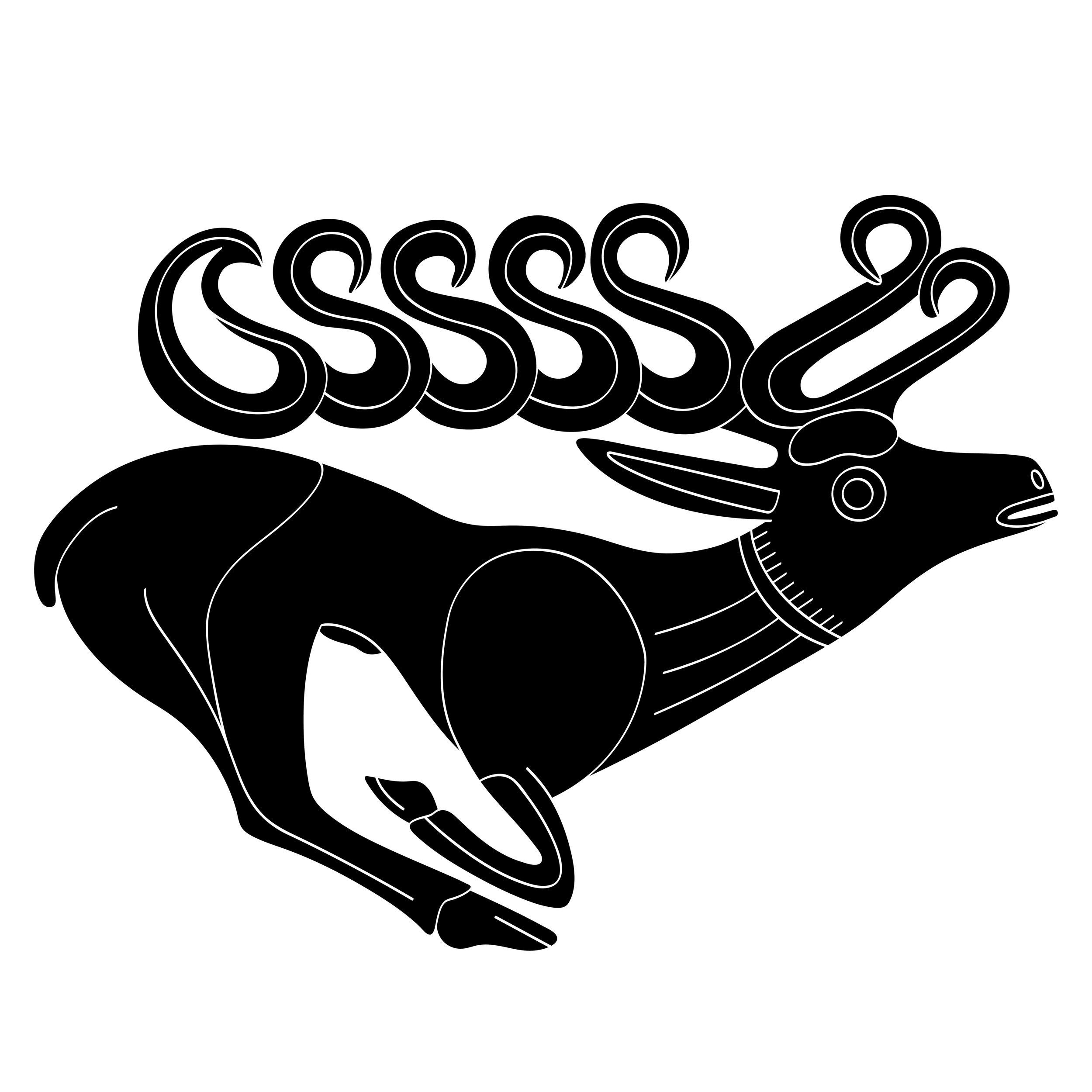
PeaceWeaver
The Steppe Saga III
“To be a Skythian means knowing what it is to burn everything you have to keep everything you love.”
Anaiti once knew what she wanted. Now, as rival powers vie for control of Skythia, her journey across the steppe challenges everything she believes about her past and the life she longed to reclaim. With war approaching, she must discover not where she belongs, but who she wants to be.